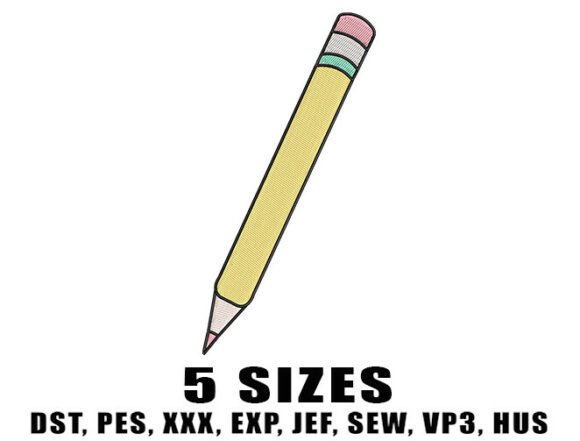
The Classic Pencil Embroidery Design for Handmade Markets
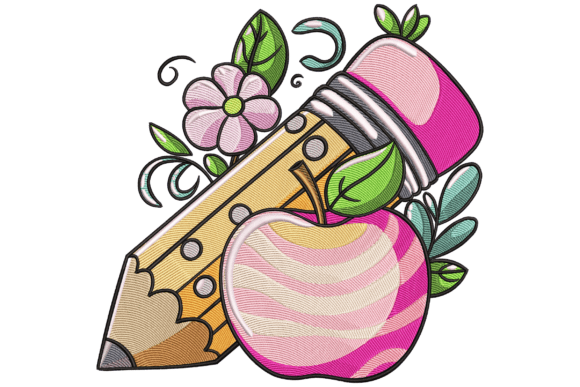
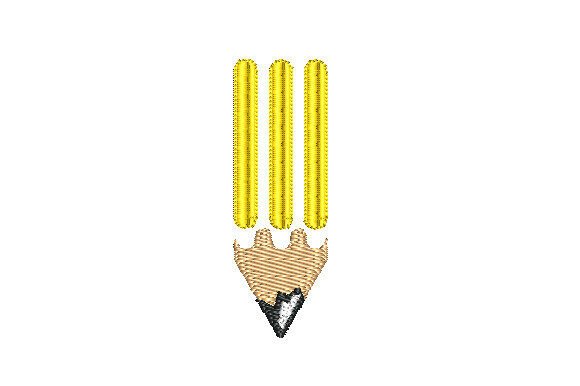
When I’m curating designs for my craft fair booth, I look for files that speak clearly, stitch cleanly, and sell quickly. The Pencil School Embroidery Designs set, with its classic pencil icon, immediately catches my professional eye for its straightforward, versatile appeal. This isn’t a trendy, flashy piece; it’s a foundational, evergreen design that taps into a consistently warm market: school, teachers, and education. The first impression is clean, minimal, and friendly. It feels soft and decorative rather than bold or rustic, which gives it a wide application range from cute teacher gifts to elegant classroom decor.
Where This Design Shines in Your Booth Display
Imagine your table: tote bags, aprons, tea towels, caps, patches, and pouches all arranged to catch the wandering eye of a craft fair customer. A simple pencil design can be a quiet star. Its strength lies in immediate recognition. A parent, a teacher, a student sees it and understands its sentiment instantly—gratitude, support, celebration of learning. This makes it a powerful anchor for a “school” or “teacher appreciation” section of your display. On a busy table, such a universally understood symbol acts as a visual anchor, drawing customers into a specific theme.
For booth samples, I’d prioritize products where the design’s simplicity translates to high perceived value. A finely embroidered pencil on a high-quality canvas tote bag or a linen apron feels premium and giftable. On a tea towel, it becomes charming kitchen decor for a teacher. As an embroidered patch, it’s perfect for customizing a backpack or planner. The design’s clean lines mean it won’t get lost, even on textured surfaces like towels or the curved front of a cap.
Practical Production: Sizing and Placement
The provided five sizes—from 3.8 inches to 7.8 inches—are a significant advantage. This range allows you to strategize. The smaller sizes (3.8”, 4.8”) are ideal for accents: on a pocket of a pouch, on the cuff of an apron, or as a small cluster on a pillow cover. They work beautifully as subtle details. The larger sizes (6.8”, 7.8”) become focal points, commanding attention on a market bag or the center of a pillow. For batch production, this variety means you can use the same machine embroidery design across multiple product types without redesigning, maximizing your efficiency.
However, careful-use notes are crucial here. At the smallest size, especially on dense fabrics like heavy canvas, tiny details could lose clarity if the stitch density is too high. Always test the design on scrap fabric first, matching the final product’s material. Check thread contrast—a classic yellow pencil on a light fabric might need a darker outline for definition. On dark fabrics, you’ll need to ensure the design uses lighter thread colors to pop. These are standard checks for any embroidery file, but with a simple icon, success or failure is glaringly obvious.
Selling Power and Customer Engagement
For an Etsy seller or small shop product, the Pencil School Embroidery Designs photograph exceptionally well. Simple designs with good contrast are a blessing for online listings; they look crisp in thumbnail images and don’t become a muddy blur. This clarity translates directly to perceived handmade quality. A customer browsing your shop can immediately see the precision, which builds trust in your craftsmanship.
The design also fosters buyer engagement. It’s easy for a customer to imagine it personalized—“This would be perfect for Mrs. Smith!”—or to visualize it on a product they need. It’s a design that suggests a story, making it an easy add-on sale at a fair or a quick decision online. For commercial embroidery, its repeatability is high. Stitching the same clean shape across a batch of tote bags is consistent and reliable, strengthening your brand consistency if school-themed items are part of your line.
Embroidery Designer’s Hands-On Checklist
Before committing this design to a production run, my workflow involves several real-world tests. First, I create at least one real mockup on the intended product, say a tea towel or tote. This reveals how the fabric texture interacts with the stitches. I review spacing and inspect stitch density from the actual embroidery file to ensure it’s not overly dense for lightweight fabrics or too sparse for thick materials. Using the right stabilizer is key, especially for the larger sizes on bags, to prevent puckering.
I also compare fabric colors. A pencil design might traditionally be yellow, but stitching it on a natural linen or a grey canvas can modernize it. Testing a few color combinations can unlock new product variations. Crucially, I always confirm commercial licensing before selling finished products. The product description doesn’t specify license terms, so it is an absolute must to verify that this digital embroidery file is licensed for commercial use before it goes on any item I sell.
Finally, I consider hoop size practicality. The listed sizes should align with common hoop capabilities. A 7.8-inch design requires a larger hoop, which might limit the types of smaller items you can produce. Planning your product mix around the technical requirements ensures smooth production.
Integrating the Design into Your Product Line
The Pencil School Embroidery Designs set is a utility player. For a creative entrepreneur, it’s less about creating a one-off spectacle and more about building a reliable, year-round product category. Teacher gifts are perennial, back-to-school season is annual, and classroom decor is steady. This design can be the core of that category.
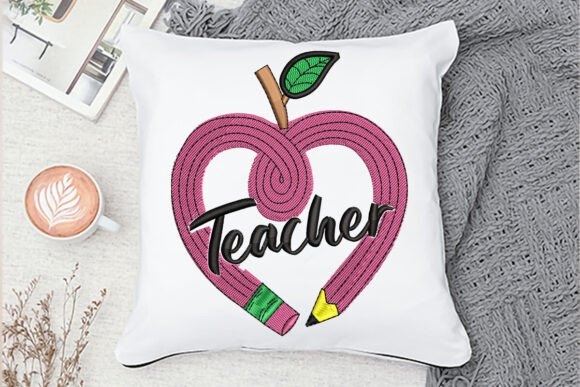
Think beyond the obvious. On a cap, it’s a sporty, academic logo. On a small pouch, it becomes a cute pencil case alternative. As a embroidered patch, it offers DIY customization. For printable mockups in your Etsy listings, the clean icon makes creating professional-looking previews straightforward. As design assets, they’re flexible. You could pair a larger pencil on a pillow with smaller ones on coordinating towels to create a gift set, increasing the average sale value.
In the end, from my perspective preparing for a weekend craft fair, this design earns its place in my portfolio. It’s not the most complex or artistic file I own, but its clarity, scalability, and emotional resonance make it a practical, profitable choice. It fills a specific niche with confidence, and when executed well on quality materials, it elevates simple craft fair products into thoughtful, desirable handmade products. Just remember the golden rule: test thoroughly, verify licensing, and let that classic pencil point your customers toward a sale.