School Elements Embroidery Design: A Hands-On Review
Every so often, a design file lands in my library that feels like it has a clear, ready-made purpose. School Elements is one of those. As a designer who constantly switches between creating for clients and reviewing for practicality, my first step is always to visualize how a design will translate from screen to stitches, and then from stitches to a real, finished product.
The Immediate Charm of a Playful Theme
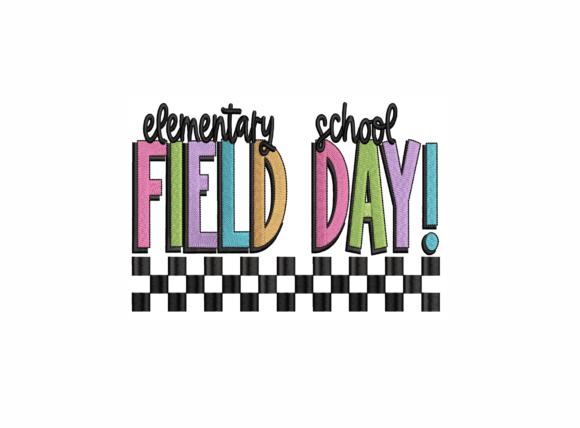
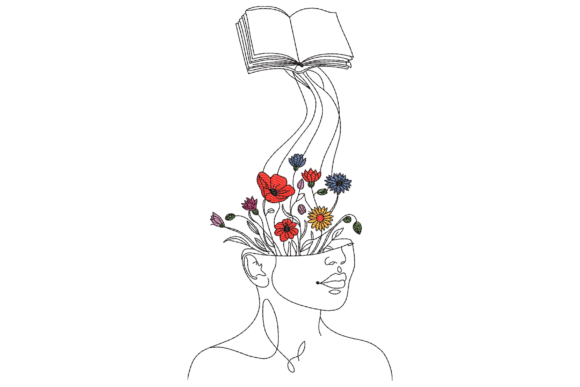
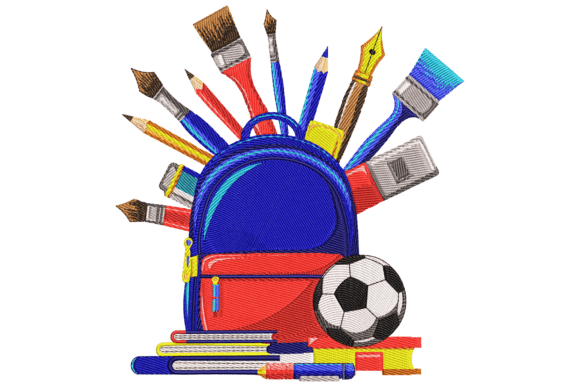
The first impression here is one of lighthearted, whimsical nostalgia. It's not a stern, institutional school logo. Instead, the visual personality leans into a playful and charming mood, which is a smart angle. This tells me it's not just for school-branded items, but for anything that wants to evoke a sense of learning, growth, or youthful joy. The shape and layout seem designed for easy integration; it's not an overly dense, complex scene but a collection of elements, which gives you flexibility in how you might use or even combine parts of it.
This kind of theme naturally belongs on gifts—think a personalized tote bag for a new teacher, a baby's first backpack, or a commemorative pillow for a graduate. For small business owners, especially those selling in niches like nursery decor, handmade gifts, or boutique children's apparel, this design feels like a ready-to-use asset that customers would recognize and connect with emotionally.
Where School Elements Stitches Up Perfectly
Let’s talk real-life embroidery situations. I’m picturing a specific scenario: an Etsy seller preparing a batch of custom embroidered tea towels as holiday gifts. The whimsical touch described fits perfectly there. It’s not overly childish, so it could work on a kitchen towel for a home, a cozy blanket for a college student, or the front of a canvas apron for a crafty person.
For apparel decorators, this would be lovely on the left chest of a soft sweatshirt or subtly on a baby’s knit hat. The design's charm would elevate a simple t-shirt into a more thoughtful handmade product. As an embroidered patch, it could be applied to a backpack or jacket, offering that handmade presentation that mass-produced patches lack. In my experience, designs with this mood perform well at craft fairs—they’re instantly understandable and feel personal, which drives buyer engagement.
For digital product sellers, this embroidery file would make for excellent printable mockups to showcase on listings. The key is that the theme is broad enough to appeal to a wide audience looking for “school” related items, but the execution seems playful enough to avoid being generic.
The Careful Considerations: Fabric, Size, and Detail
Now, for the practical design judgment. Where would I use School Elements carefully? Any design with likely small details—and the name Elements suggests multiple components—requires attention on smaller hoop sizes. On textured fabrics like towels or knit blankets, you’ll need proper stabilizer to keep those playful shapes crisp. On thin or stretchy fabric, such as a baby’s t-shirt, stitch density is crucial; a too-dense fill stitch could make the fabric stiff.
Dark fabric is another consideration. The charm often comes from light, bright thread colors. If you’re stitching on a dark sweatshirt, you need to check thread color contrast meticulously. Those whimsical details might lose clarity without a bold, contrasting palette. Similarly, on curved surfaces like caps, the layout needs to be assessed; a scattered element design might need adjustment to fit the curvature without distortion.
Products that need frequent washing, like towels or aprons, demand robust stitching. I would always advise testing the design on scrap fabric first, simulating a few washes to see if any tiny satin stitches or running stitch outlines hold up. This protects your product value and customer trust in your handmade work.
Designer Notes for a Professional Finish
Before running this machine embroidery design for a client project or listing it in your shop, here are my go-to checks. Always test on both a light and dark fabric scrap to see how the mood changes with the background. Inspect the small details in your test hoop—are there any corners or tiny areas that become thread-heavy? Review the overall stitch density; a playful design should feel light, not stiff.
Use black and white mockups to evaluate shape and composition stripped of color. This helps ensure the design’s visual appeal isn’t solely dependent on a specific color palette. Confirm the licensing for this digital embroidery file before selling finished items or commercial embroidery projects. The product description doesn’t specify, so that’s a mandatory step for any serious crafter or business.
Thread choice will massively affect the final look. For home decor like pillow covers, you might lean toward matte finishes. For baby embroidery on clothing, softer, high-quality threads are best. These choices impact brand consistency and professionalism. A well-executed version of this design on a high-quality tote bag or sweater feels giftable and recognizably professional, elevating it from a craft to a coveted item.
The Final Stitch: Value in Your Hands
Ultimately, School Elements strikes me as a versatile design asset. Its strength is in its mood. It doesn’t force a single use but suggests many. For the creative entrepreneur, that’s gold. It can become part of your holiday gift lineup, your core boutique product range, or a reliable option for personalized gifts year-round.
The real test, as always, is in the hoop. How do those whimsical touches actually look after stitching? My bet is that with proper stabilizer and thoughtful fabric selection, it will deliver exactly the charming, playful touch promised. That translates directly to customer reaction—a smile, a sense of connection, and the decision to buy. For makers and sellers, that’s the practical end goal of any embroidery project: a finished product that looks great, feels special, and holds up to real-life use. School Elements seems ready to help you achieve that.