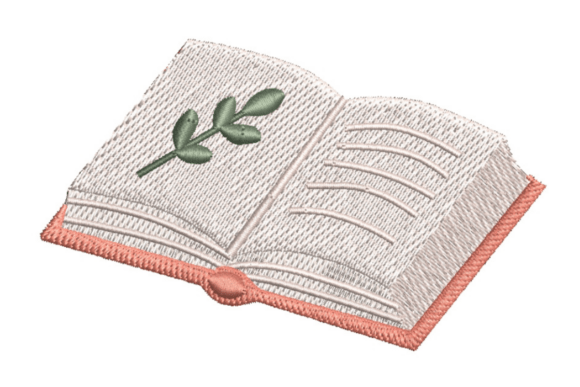
A Professional Review of the Botanical Journal Embroidery Design
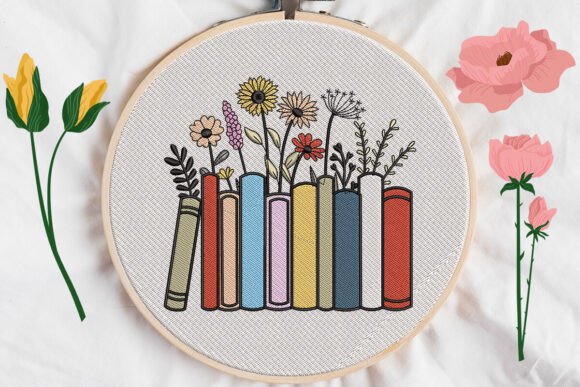
As an embroidery designer preparing a new sweatshirt collection for my boutique shop, I’m constantly browsing Creative Fabrica embroidery designs for pieces that bring both visual charm and practical reliability. The Botanical Journal design immediately caught my eye. Its charming open book with delicate leaf detail presents a specific, but wonderfully versatile, cottagecore aesthetic. Here’s my candid review from the perspective of someone planning to use this machine embroidery design on actual apparel products.
First Impressions: Visual Personality & Placement Potential
Botanical Journal has a gentle, literary feel. It’s not overly bold or minimal, but sits in a sweet spot of being decorative without being overwhelming. The detail level, as described, seems delicate, suggesting it would translate to a premium and feminine look rather than a casual or playful one. This visual personality makes it a strong candidate for boutique brand merchandise aiming for a cozy, rustic, or classic trend alignment.
My first thought for application was a neutral cream sweatshirt. This design would act as a beautiful focal point on the chest, providing that lifestyle product look that photographs so well for Etsy listings and social media graphics. On a pastel hoodie, it would enhance the soft color palette perfectly. Conversely, on a dark garment like a navy or black sweatshirt, the contrast would need careful planning; the delicate lines might require very good thread color contrast to stand out clearly, which is a crucial consideration for finished product appeal.
Sweatshirt & Hoodie Embroidery Applications
For sweatshirt embroidery, Botanical Journal feels ideal for a centered chest placement on oversized garments. The design’s composition—an open book with foliage—creates a natural focal point that doesn’t demand a huge hoop size, making it suitable for standard chest areas. As a back design on a hoodie, it would offer a more subtle statement, perfect for a cozy seasonal outfit collection. I would avoid using it on sleeve accents unless the sleeve panel is quite wide, as the detail might get lost or distorted on a curved, narrower surface.
T-Shirts, Totes, and Denim
On a t-shirt, this embroidery file would work well, but the fabric’s lighter weight and potential stretch require extra attention to stitch density and stabilizer choice to prevent puckering. For a tote bag, it’s a fantastic fit. The Botanical Journal design inherently suits a journaling theme, making it a natural choice for book bags or market totes, elevating a simple bag into a handmade product with strong brand identity. A denim jacket presents an interesting canvas; the rustic texture of denim could complement the design’s aesthetic, though the heavier fabric demands a robust embroidery setup.
Where to Use the Design Carefully
While Botanical Journal is versatile, professional experience dictates a few cautious applications. On very small chest placement areas, like on a fitted garment, the delicate leaf detail might become too condensed and lose clarity. Dense stitch areas, if present in the design, need to be tested on stretchy fabric and fleece to ensure the fabric doesn’t warp. I would be particularly mindful using it on ribbed fabric or areas that may stretch or wrinkle, such as near garment seams.
The potential for tiny lettering within the book illustration is a point to note. If the design includes small text, it may not stitch cleanly on textured fabrics like fleece hoodies without careful testing. This is not a limitation, but a standard step: always test on scrap fabric of similar weight and texture before committing to a production run.
Affecting Apparel Value & Brand Consistency
From a business standpoint, a well-executed Botanical Journal embroidery can significantly affect apparel value. It communicates a thoughtful, professional presentation that builds buyer trust. For a small clothing brand or Etsy seller, using a cohesive design like this across a capsule collection—say, on sweatshirts, totes, and maybe even aprons—creates strong visual consistency. This consistency aids in product recognition and can deepen customer engagement with your brand’s story.
Using digital embroidery files from sources like Creative Fabrica for commercial embroidery products allows for scalability. The Botanical Journal design, applied neatly, turns a basic garment into custom apparel that feels special. This perceived value is exactly what customers of handmade businesses are seeking.
Practical Designer Notes Before Production
My workflow before using any new design includes several checks. For Botanical Journal, I would:
- Check stabilizer choice based on the target garment fabric (sweatshirt fleece vs. t-shirt cotton).
- Review thread color contrast carefully, especially if stitching on darker fabrics to ensure the delicate details remain visible.
- Confirm hoop size required by reviewing the product details on Creative Fabrica, as this information is essential for planning.
- Inspect stitch density by viewing the file in my software, looking for areas that might be too dense for lightweight fabrics.
- Test on similar garment fabric to observe how the design settles and whether any adjustments are needed.
- Compare placement options on the actual garment using a printable mockup or chalk marking to find the most balanced position.
- Most importantly, check Creative Fabrica product details and licensing before selling finished apparel to ensure my use is compliant for small shop products.
Since the provided description mentions it comes with multiple file formats, I would rely on that information but always verify the specific formats for my machine’s compatibility. The School category suggests a thematic link, but for Embroidery on apparel, its application is beautifully broader.
Final Thoughts for Creative Entrepreneurs
Botanical Journal is a design with a clear and appealing niche. It’s not a generic logo but a piece with character, which is precisely what can make a boutique apparel line stand out. For anyone creating a collection centered on cozy aesthetics, literary themes, or feminine rustic styles, this design offers a ready-made, high-quality element. Its success on a garment, from a sweatshirt to a denim jacket, hinges on those fundamental embroidery practices: testing, stabilizing, and thoughtful placement. When executed well, it becomes more than just an embroidery; it becomes a key part of your product’s story and your brand’s visual language.